June 5, 2026
Maintaining your yard is crucial for creating a pleasant outdoor space, and spring represents the perfect time to jumpstart your efforts. According to Arborists Near Me, 65% of the work that the tree service industry performs on any given day is a single-family residence. Local tree removal plays an essential role in this process by ensuring that your yard remains safe and aesthetically appealing. By understanding the significance of tree removal, you can effectively prepare your property for the blooming season ahead.
Trees contribute significantly to the landscape of any property; however, there are times when they can become more of a hinderance than an asset. As trees grow, they can overshadow other plants, obstruct views, and in some cases, pose safety risks. Therefore, integrating tree removal into your spring cleaning routine can greatly enhance the usability and appearance of your yard.
In this article, we will outline why local tree removal should be considered during your yard’s spring cleaning, impart knowledge on identifying trees for removal, and explore the steps involved in the process. Not only does this practice maintain your yard's visual appeal, but it also preempts structural damage and encourages plant health. With a strategic approach, tree removal becomes an indispensable part of property upkeep.
1. Why Is Local Tree Removal Important for Spring Cleaning?
A. Enhancing the Aesthetic Appeal of Your Yard
Local tree removal can dramatically enhance the visual attractiveness of your yard by eliminating trees that may have grown in undesirable locations. Trees that are no longer healthy can appear unsightly, with dead branches or foliage detracting from the overall beauty of your landscape. By removing these trees, you're able to open up space, highlighting the beauty of your home and other plant features. The key to a picturesque yard lies in its cohesive appearance, where every element contributes positively to the aesthetic experience.
Spring cleaning your yard involves more than just clearing debris; it includes curating a landscape that embodies tranquility and freshness. Removing trees that clutter your property creates a more organized and visually pleasing environment. Tree removal offers an opportunity to design your space thoughtfully, allowing for beautiful garden vistas. Functionality and beauty go hand-in-hand, and choosing to remove certain trees can significantly reduce issues that detract from your yard's appeal.
Finally, incorporating strategic local tree removal can increase property value. A well-maintained yard is an inviting statement to guests and potential buyers. Unwanted trees that obscure views or seem out of place can bring down the desirability of your property. By tending to tree removal, you invite a newfound allure that complements and enhances neighborhood aesthetics.
B. Preventing Property Damage from Tree Overgrowth
One of the most practical reasons for local tree removal is preventing potential property damage due to overgrown trees. When trees grow unchecked, their roots can encroach on your home’s foundation, driveways, sewer lines, and other infrastructure. This unseen damage can lead to costly repairs if not managed properly. Evidence from numerous property owners shows that investing in proactive tree removal can save substantial amounts by preventing issues before they escalate.
Furthermore, large branches from mature or dying trees can pose hazards during storms, leading to damage of roofs, windows, and vehicles. High winds increase the likelihood of these branches breaking off and crashing down, creating a very real safety threat. By pre-emptively removing these trees, you safeguard your property and ensure a safer outdoor environment. Homeowners find peace of mind knowing their homes are not at the mercy of unpredictable weather conditions.
2. How to Identify Trees That Need to Be Removed?
A. Symptoms of Diseased or Dying Trees
Diseased or dying trees are more than just an eyesore; they can be vectors for pest infestations and pose structural risks. Identifying the signs of ailing trees is critical for maintaining a healthy yard. Typical indicators of disease include discolored leaves, unusual leaf drop, and fungi growth at the base. Early detection allows for swift intervention, potentially saving nearby healthy trees from similar fates.
Decay and rot can be less visible but equally deadly. Inspect the trunk for abnormal swelling, cracks, or hollow areas, as these may suggest internal decay. Branches that remain bare while others flourish can also signal health issues. Regular monitoring during routine yard maintenance ensures that these symptoms are spotted before they develop into more serious concerns that lead to necessary tree removal.
B. Recognizing Dangerous Tree Structures
Trees with structural irregularities can become hazardous over time, particularly if they're situated near homes or other structures. Such trees may have bizarre growth patterns that create imbalance, increasing the chances of tipping or breaking under stress. Assessing these structural issues is key to determining the necessity of removal. Professional arborists are skilled at evaluating such risks and providing advice tailored to each scenario.
Forked trunks, leaning trunks, and uneven canopies are some common issues to look out for. These structural flaws can either develop naturally or occur as a result of environmental influences such as wind damage. Without proper intervention, these weaknesses can exacerbate underlying vulnerabilities within the tree. Removing trees with precarious structures eliminates potential hazards and contributes to a safer, more secure yard.
3. What Are the Steps Involved in the Local Tree Removal Process?
A. Initial Assessment and Planning
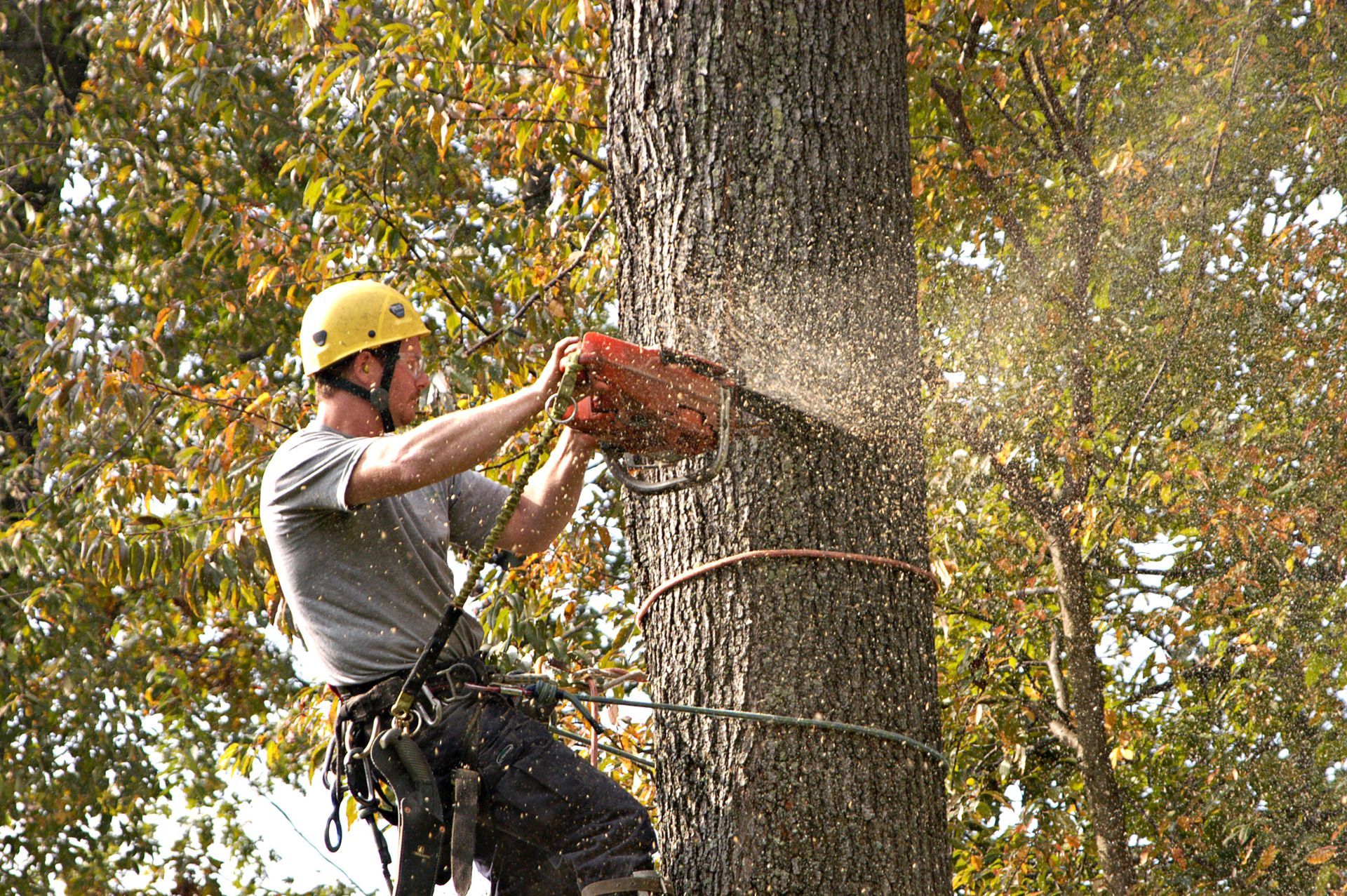
Embarking on the tree removal process begins with a comprehensive assessment that determines the need and scope of work required. This first step involves evaluating the condition of the tree, the surrounding landscape, and identifying any potential risks or complications. A well-documented plan provides clarity and direction, ensuring the removal process is both safe and effective. Professional input during this stage helps balance aesthetic goals with safety needs and regulatory compliance.
The initial assessment also encompasses consultations with relevant stakeholders, including homeowners, neighbors, and arborists. Securing consensus not only facilitates cooperation but also addresses potential concerns early. By laying a solid foundation during the planning stage, the tree removal process can proceed smoothly with anticipated obstacles minimized. This proactive approach helps streamline operations and provides the framework for a successful outcome.
B. Obtaining Necessary Permits and Permissions
Before tree removal can commence, securing the necessary permits and permissions from local authorities is crucial. Regulatory frameworks are in place to ensure that trees, a vital part of the ecosystem, are protected and managed responsibly. Neglecting this step can result in fines or legal issues, thus thorough understanding and compliance with local statutes are imperative. Successfully navigating this process ensures that removal efforts are compliant with environmental conservation goals.
Finding out whether permissions are required hinges on factors such as tree species, size, and location. Engaging with an arborist or local tree service provider can streamline this process, as they often possess in-depth knowledge of the legal requirements and procedures. This collaboration simplifies the task for homeowners, ensuring compliance while maximizing efficiency. Once permits are secured, property owners can proceed with removal with the confidence that they are adhering to all legal stipulations.
In summary, incorporating tree removal into your spring cleaning routine is not just about aesthetics; it's a move towards a safer, more vibrant, and functional outdoor space. By understanding the process and engaging professional help, you can maintain a yard that reflects natural beauty while protecting your investment. As trees remain a pivotal part of the property ecosystem, their management through responsible removal practices supports a balanced relationship with nature.
From assessing potential risks to executing the removal and rehabilitating the landscape, each step in the process demands careful consideration and planning. The insight provided by local arborists and adhering to regulatory requirements ensures a smooth, compliant execution of your vision. With proactive care, your yard transforms into an inviting sanctuary, benefiting from additional sunlight, safety, and enhanced appeal.
Ultimately, tree removal fosters an environment where humans and nature coexist harmoniously by addressing practical needs while enhancing aesthetic value. As you embark on your spring cleaning journey, remember to consider the vital role trees play and how their careful integration or removal can redefine your outdoor experience for the better. A thoughtful blend of beauty and practicality serves as the cornerstone of successful yard management. Reach out to Northern Essex Tree Service today to see how we can help you!